+33 1 84 80 80 09
Wide selection of mannequins, bust, store equipment, professional hangers, clothing rails and custom packaging for retail stores.



Visual merchandising guide
The shop window is your store’s first salesperson: within seconds, it must catch the eye, tell a story and make people want to step inside. Whether you run an independent boutique, a department store or a fashion retail chain, these visual merchandising tips will help you create a successful shop window display, from choosing your window mannequins to lighting, staging and layout.
Our merchandising tips
A shop window tells a story through staging, and the display mannequin plays a central role. It can showcase a key outfit, catch the eye of passers-by or convey a specific message.
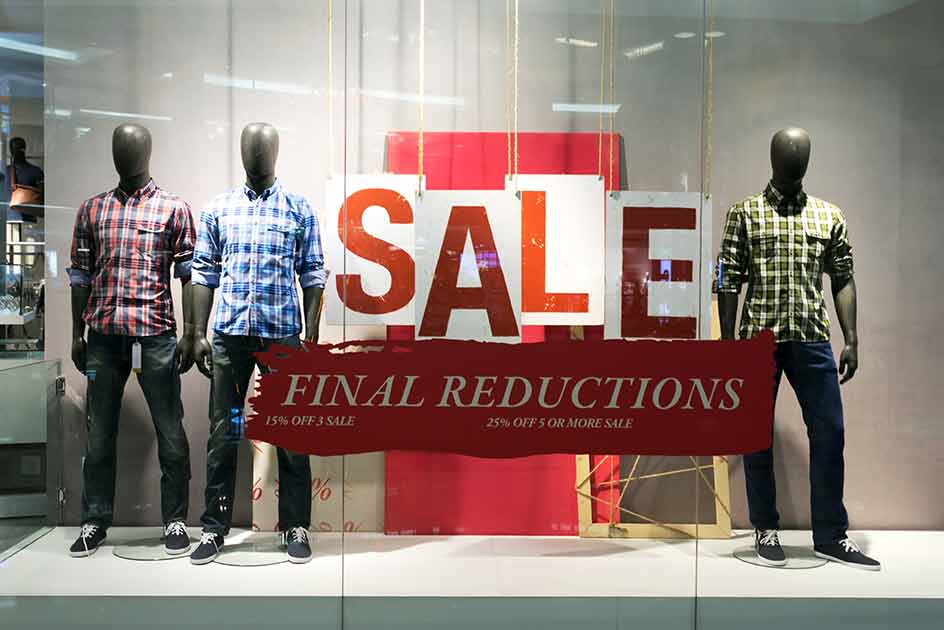
Decide which universe you want to convey: a new concept, a collection to present, a new season. The combination of objects, textures, colours and mannequin styles all contribute to the staging. For example, a mannequin in motion will bring realism to your window. One strong idea, readable in a few seconds, is better than a diluted message.
Change your displays regularly to stand out, show off your products and attract passers-by. Plan a change every two to four weeks as a general rule, depending on the footfall at your location, and follow the retail calendar:
Choosing your mannequins is crucial. Take stock of your mannequins to decide whether they need replacing or whether some can be reused. Make sure they suit the chosen theme. Browse our female window mannequins, male and child mannequins.
Mannequins can be realistic, abstract, stylised, headless, female, male, children’s, or busts. Realistic mannequins need details such as wigs and make-up, while stylised mannequins are easier to maintain.
Realistic mannequins offer a wide range of poses. Choose them according to the staging you want, so that they work together harmoniously. Flexible mannequins and seated mannequins let you vary attitudes and create movement.
Use objects, or “props”, to complete the window dressing. They should enhance the product without stealing the spotlight. Keep it simple and avoid overloading: a clear message beats a cluttered window. Discover our podiums and our artificial plants for shops.
Composition
It is essential to highlight the focal point of the window to draw the eye of passers-by. The bigger the window, the more focal points there will be, placed slightly below eye level to guide the gaze.
Think about depth: a foreground, a middle ground and a background give relief to the composition and avoid a flat look.
Colours depend on the season or the chosen theme (for example, blue for spring, red and green for Christmas). Single-colour or two-colour windows are effective options. Limit the palette to two or three shades consistent with your brand identity.
Lighting
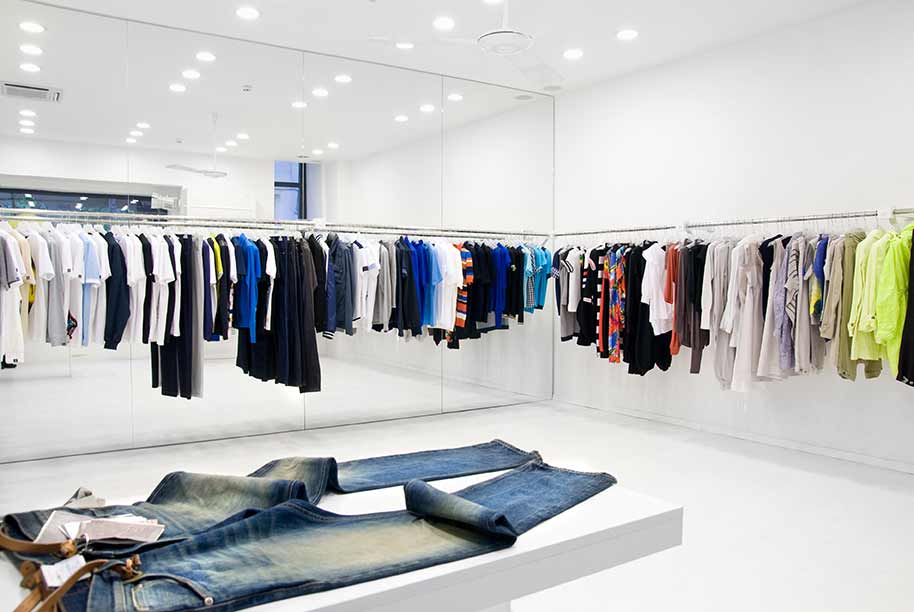
Lighting enhances products and mannequins, and must be adjusted to the time of day.
Layout
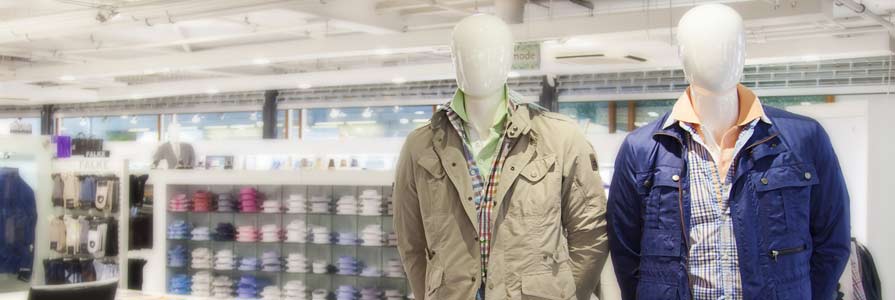
Group mannequins and props to create an effect of verticality and order. This structures the window effectively and at low cost.
Position mannequins and objects to draw the eye, often by placing a raised mannequin in the centre, surrounded by the others. This highlights the products you want to feature.
Scaling up
The principles are the same, but scale changes everything. When you manage several stores, brand consistency becomes as important as creativity.
Preparing an opening, a rollout or a refit of several stores? Discover our shop fitting project support and our custom furniture and fittings offer.
Watch points
Too many products or decorations blur the message.
A dirty window or distracting reflections hide the staging.
The window also works after closing time.
Visible tags or creases damage the brand image.
A tired display no longer holds passers-by’s attention.
The universe seen from the street must be found inside the shop.
FAQ
It depends on the width of the window and the message to convey. As a rule, one to three mannequins are enough for a standard window, more for a large window or a department store. Groups of odd numbers (three, five) often give a more dynamic composition.
Every two to four weeks on average, and at every key moment of the retail calendar. A very busy location justifies more frequent changes.
The realistic mannequin tells a story and suits premium universes, but needs more upkeep (wig, make-up). The abstract or stylised mannequin adapts to many styles and leaves all the space to the garment. The headless mannequin puts the product first and is very practical for chains.
Adjustable LED spotlights on a track, with accent lighting on the focal point and a neutral to warm white light depending on the universe. Remember to tilt them to avoid reflections on the glass.
By defining a window guide for each campaign, standardising mannequins and props, and rolling out the kits simultaneously. We support multi-store projects.
Take action
Mannequins, busts, hangers, lighting and shop fitting: describe your project and we will reply with a quote.
Request a quoteShop fitting project
Also discover our female mannequins, male mannequins, child mannequins, our busts and our professional hangers.