Store and window lighting
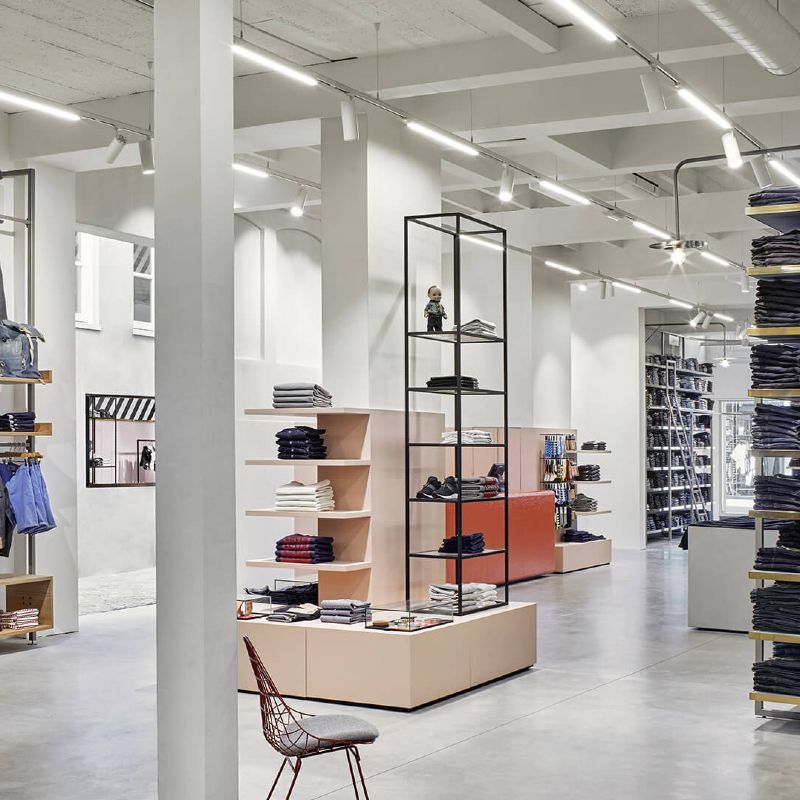
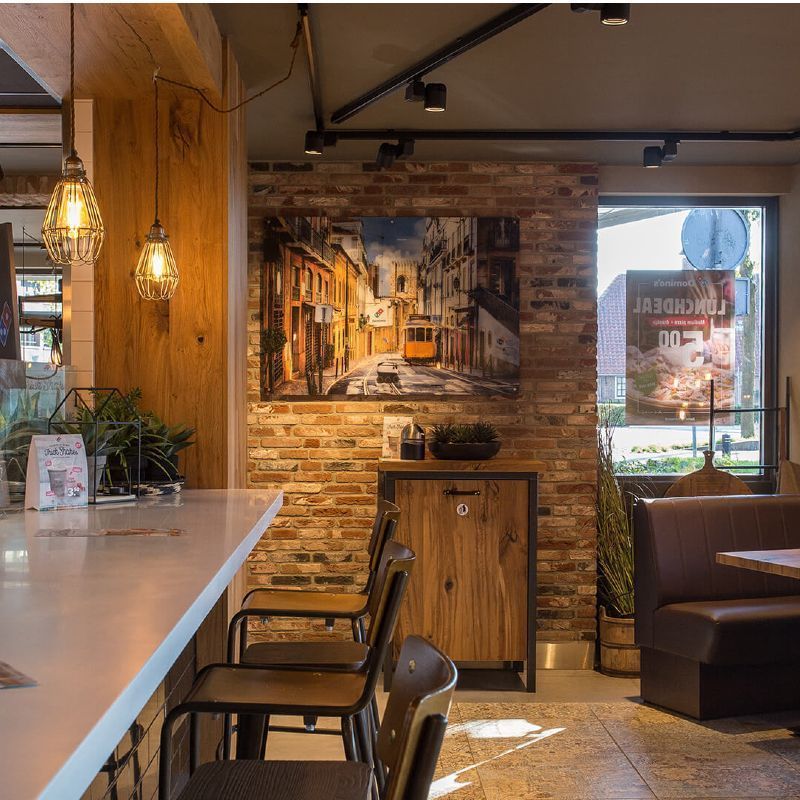
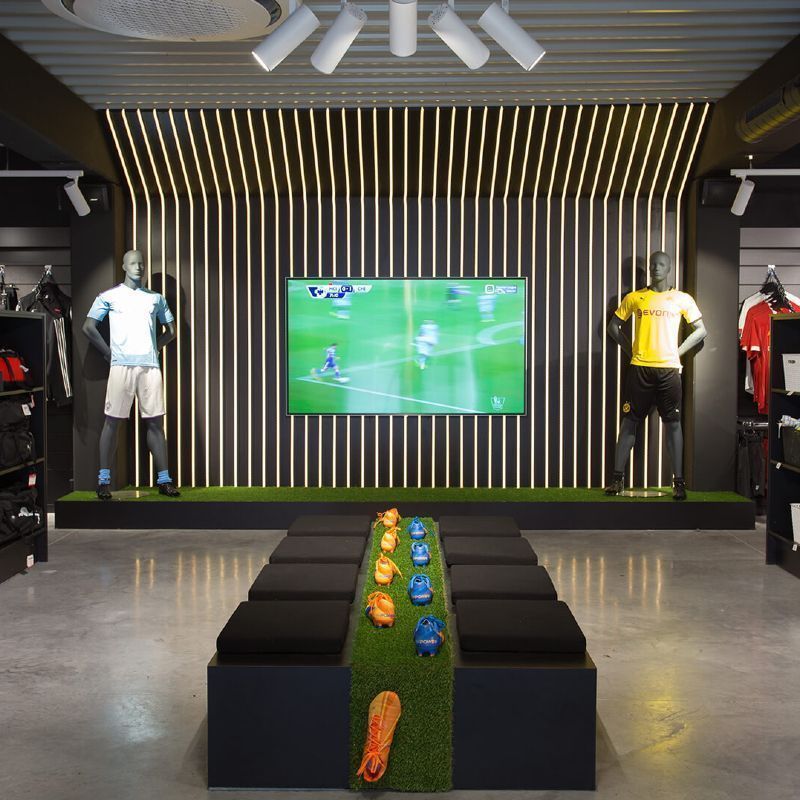
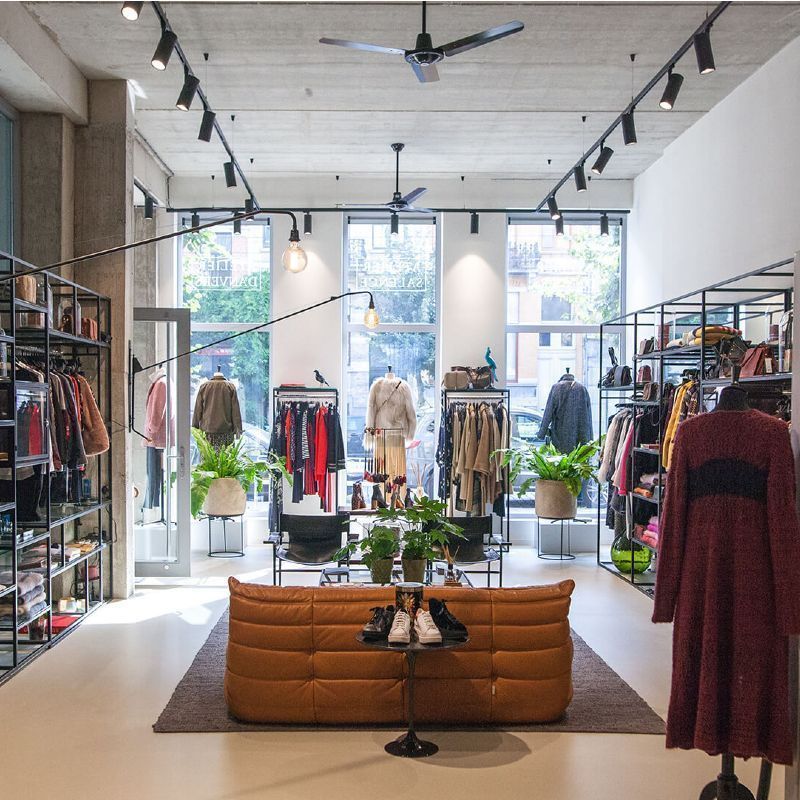
Store lighting plays an essential role in showcasing products, whether in fashion boutiques, home decoration stores or any other shop. Light has the power to enhance the items on display and attract customers’ attention. It is essential to choose store lighting with a high CRI, reaching at least 80 Ra, to guarantee optimal reproduction of the colour spectrum through artificial light.
A lighting study is essential to design the lighting of a store. It is an in-depth analysis of the technical data specific to the business, aimed at arousing customer interest while showcasing the products.
Lighting designers can integrate the latest technological advances, such as high-performance, low-maintenance LED lighting, as well as HCL sensors that automatically adjust brightness and colour temperature throughout the day. These innovations help respect the natural biological rhythm of the individual, creating an optimal lighting environment for the store.
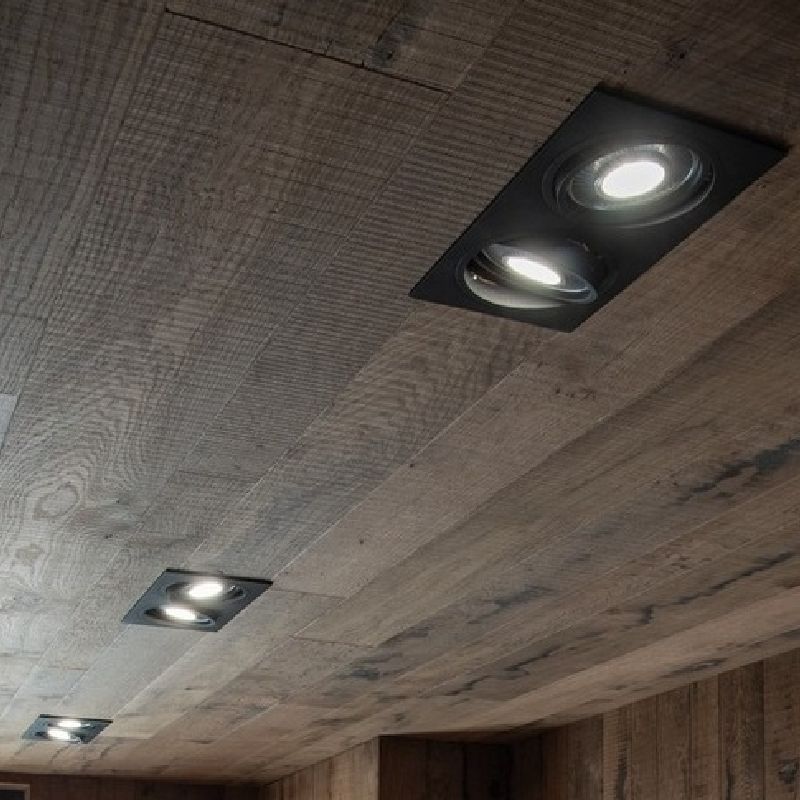
Base lighting provides uniform brightness throughout the whole sales area. It includes the following elements:
Accent lighting plays a crucial role in highlighting selected areas or products in a commercial space, such as the delicatessen and cheese counter or a display in a bookshop. This aspect of store lighting helps guide the visitor’s perception:
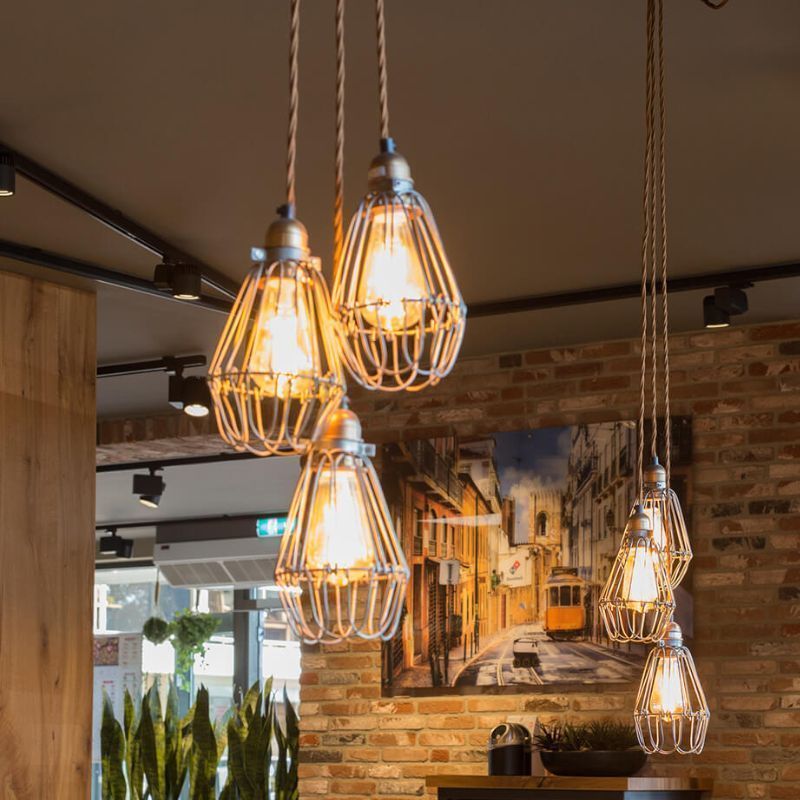
The shop window, the first point of contact with the customer, has an impact on signage thanks to a dynamic play of shadow and light. Store lighting makes it possible to play with the colour of the light: cool tones (above 4,000 kelvins) evoke a fresh, dynamic atmosphere, while warm tones (up to 3,000 kelvins) create a comfortable ambience and showcase the products. In pastry shops, for example, this lighting is particularly effective for presenting cakes in an appetising way.

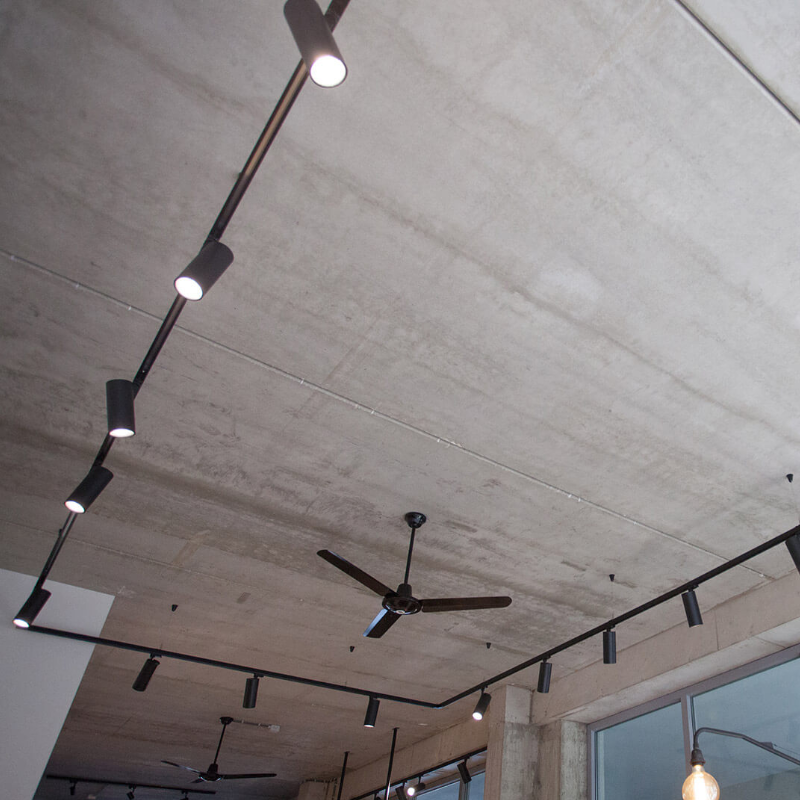
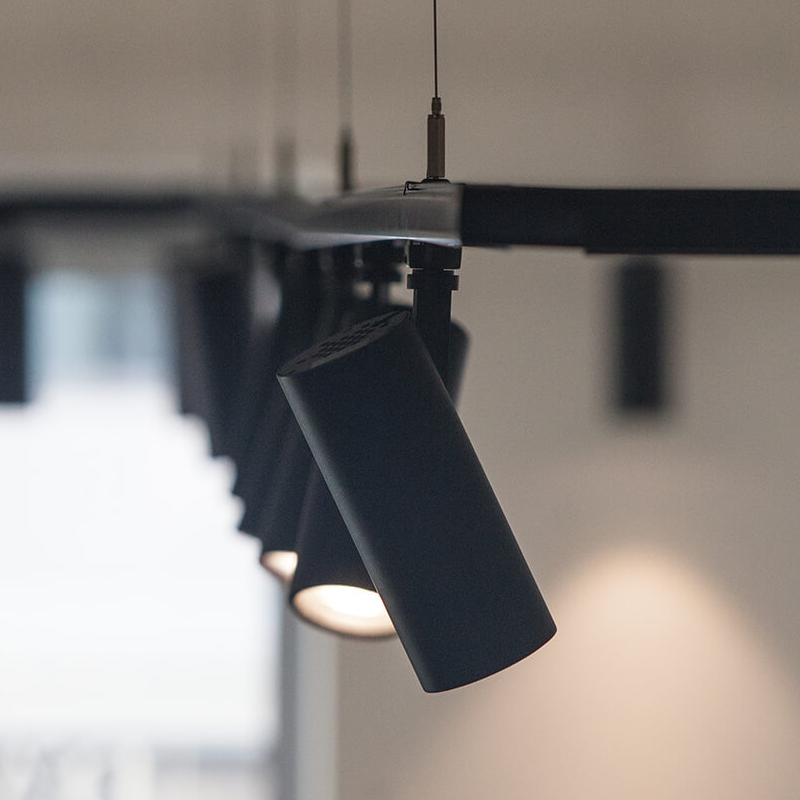
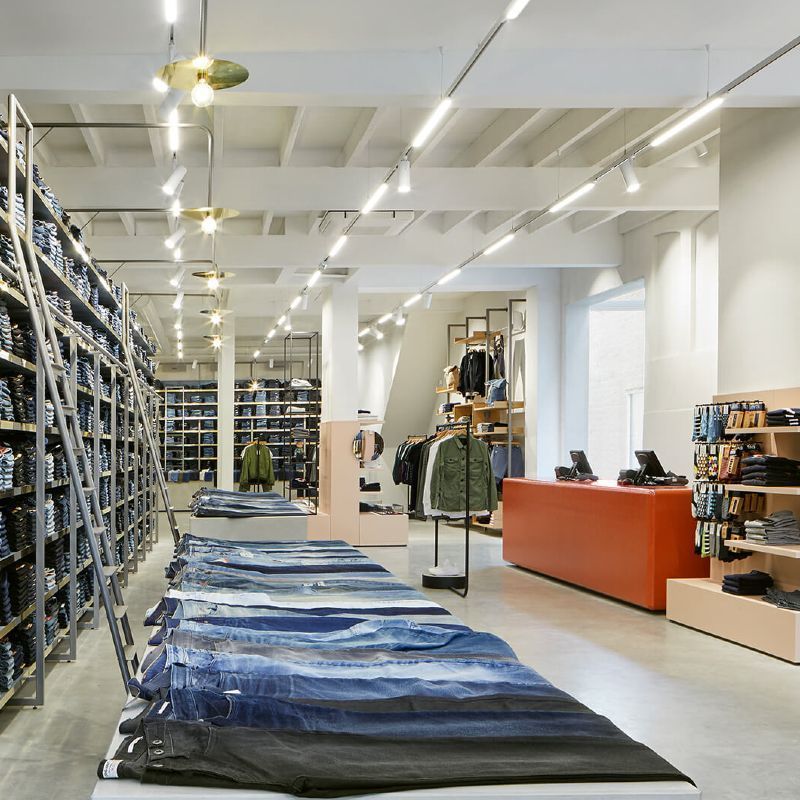
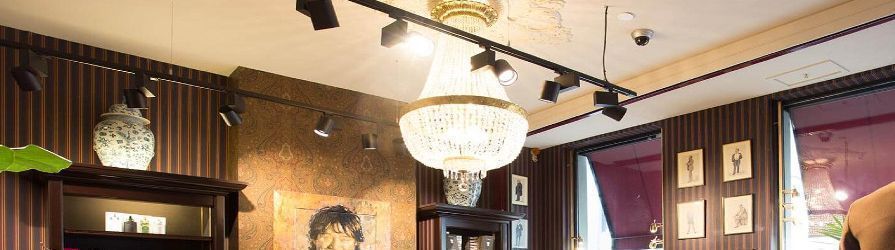
Rail systems are a very flexible solution that lets you position the luminaires as you wish along the rail. A distinction is generally made between low-voltage and high-voltage systems. In the high-voltage category, there are single-phase conductor rails and multi-phase conductor rails, such as three-phase conductor rails.
The difference between single-phase and multi-phase is that with a single-phase system, the lamps are controlled simultaneously for switching on, switching off or dimming, which makes it better suited to end-consumer needs. In this context, spots and rails from the same manufacturer are often used.
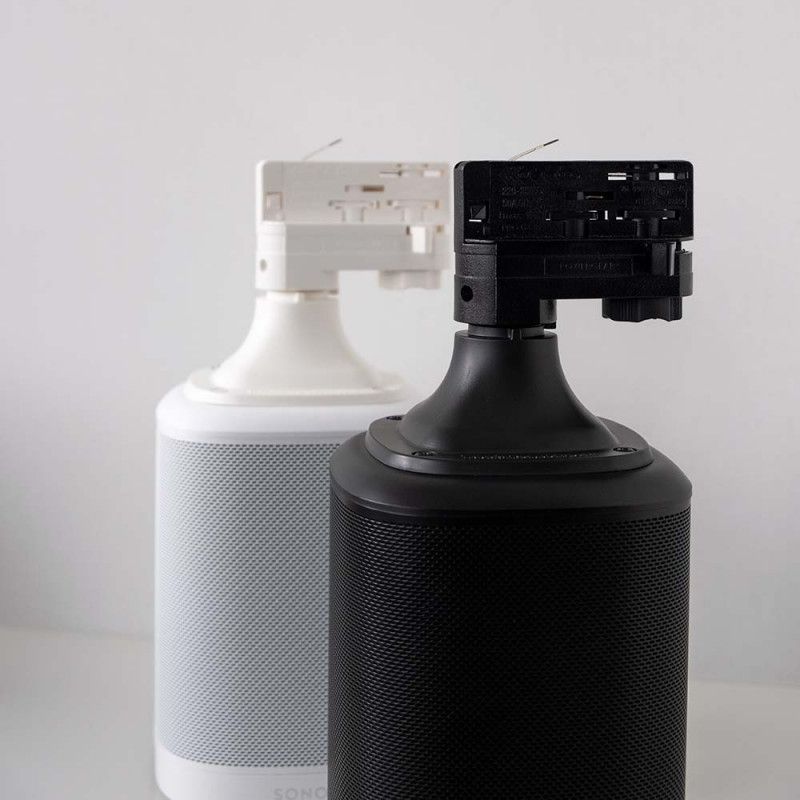
Three-phase systems offer the advantage of being able to control several spotlights individually, which makes it possible to create varied lighting scenarios. Some rail systems, such as those offered by Arcchio, can offer compatibility between different manufacturers.
Discover our rail systems
Fill in the lighting quote request form

There are a number of legal requirements to comply with when lighting a store. For example, base brightness in retail must reach at least 300 lux, and even 500 lux in the checkout area. For customer comfort, some areas can of course exceed the legal standards, for example in bookshops, so that customers can easily browse the books.
Using LED store lighting guarantees ecological and economic sustainability on several levels:
Leave us more information and we will get back to you.
Request a quote